Thinking about trading your commute for cobalt water and trade winds? Life on St. Croix can be relaxed and rewarding, but it also asks you to plan ahead and embrace island rhythms. If you want a clear picture of daily life, costs, services, and the community feel, you’re in the right place. In this guide, you’ll learn what to expect month to month, how to budget, and how to approach housing with confidence. Let’s dive in.
Island snapshot
St. Croix is the largest island in the U.S. Virgin Islands, with Christiansted on the east side and Frederiksted on the west. You’ll find historic Danish districts, residential neighborhoods, farmland, and coastal resort areas. The social fabric blends long-time Crucians, Caribbean heritage, stateside transplants, retirees, and seasonal residents.
The pace is slower than most mainland metros. Schedules often reflect weather, boat times, and local routines like markets and festivals. English is the official language, and you’ll also hear a local Creole in casual settings.
Climate and seasons
St. Croix has a tropical climate with warm temperatures year-round and steady trade winds. Daytime highs typically fall in the mid 70s to mid 80s Fahrenheit, and the water stays warm throughout the year. You can count on two broad seasons.
- Dry season: late fall through spring with sunnier, drier weather.
- Wet season: late spring through early fall with more showers and humidity.
If you enjoy snorkeling, swimming, and beach time, you’ll be able to get in the water any month of the year. The main difference you’ll feel is humidity and short rain bursts in the wet season.
Hurricane readiness
Hurricane season runs from June 1 to November 30, with the highest risk usually in August through October. St. Croix felt major impacts in 2017 during Irma and Maria. Since then, updated building practices and a stronger focus on preparedness have improved resilience, but storms remain part of life.
Most households maintain a plan for power, water, and supplies. Outages can occur even outside major storms, so having backup options is a smart habit.
Basic hurricane prep checklist:
- Confirm home insurance and ask about hurricane and flood coverage details.
- Keep a generator or alternate power option if your property supports it.
- Stock water, nonperishable food, batteries, and a basic first aid kit.
- Plan for communication, prescriptions, and important documents.
- Know your property’s wind exposure and how to secure windows and doors.
Utilities and services
Electricity and water service are provided by the Virgin Islands Water and Power Authority and local utilities. Reliability varies by neighborhood, and outages do occur, especially after storms. Many residents plan for this with surge protection, backup power, and smart scheduling for high-demand appliances.
Internet and cellular service are available from several providers. Speeds and stability vary by location, so it’s important to test the exact address if you work remotely. Municipal garbage services operate across most areas, and some neighborhoods choose private pickup.
Due diligence tips before you sign a lease or offer:
- Ask for recent power and water bills to understand typical costs.
- Confirm internet providers and speeds available at the address.
- Check past outage frequency with neighbors or property managers.
- Review HOA rules if you plan to install backup systems.
Groceries and shopping
Grocery options range from local markets to larger stores. Since many items are imported, expect higher prices on staples, utilities, and packaged goods than on the mainland. Many residents build weekly routines around farmers’ markets and local fish vendors for fresh produce and seafood.
For specialty items, you may order from the mainland or coordinate a supply run through Puerto Rico. Being flexible and planning ahead helps keep your pantry stocked and costs predictable.
Healthcare and education
The island’s primary hospital is the Governor Juan F. Luis Hospital and Medical Center, supported by clinics and private practices for routine care. For specialized or complex procedures, travel to St. Thomas, Puerto Rico, or the U.S. mainland is common. It’s wise to plan for referrals, medevac coverage if needed, and prescription refills well ahead of time.
Public schools are administered by the Virgin Islands Department of Education, and there are private and parochial options. Post-secondary choices on-island are limited, so many students continue their studies off-island.
Getting around and access
Most residents drive. Roads can be narrow and winding in places, and distances are short across the island. If you choose a hillside or rural location, test your commute at different times of day.
Henry E. Rohlsen Airport offers regular service to Puerto Rico and seasonal routes to the mainland. Inter-island ferry schedules can be irregular, so flights are often the primary way to hop between islands. Mail, freight, and courier services operate across St. Croix, but shipping times and costs are usually higher than on the mainland.
Housing choices
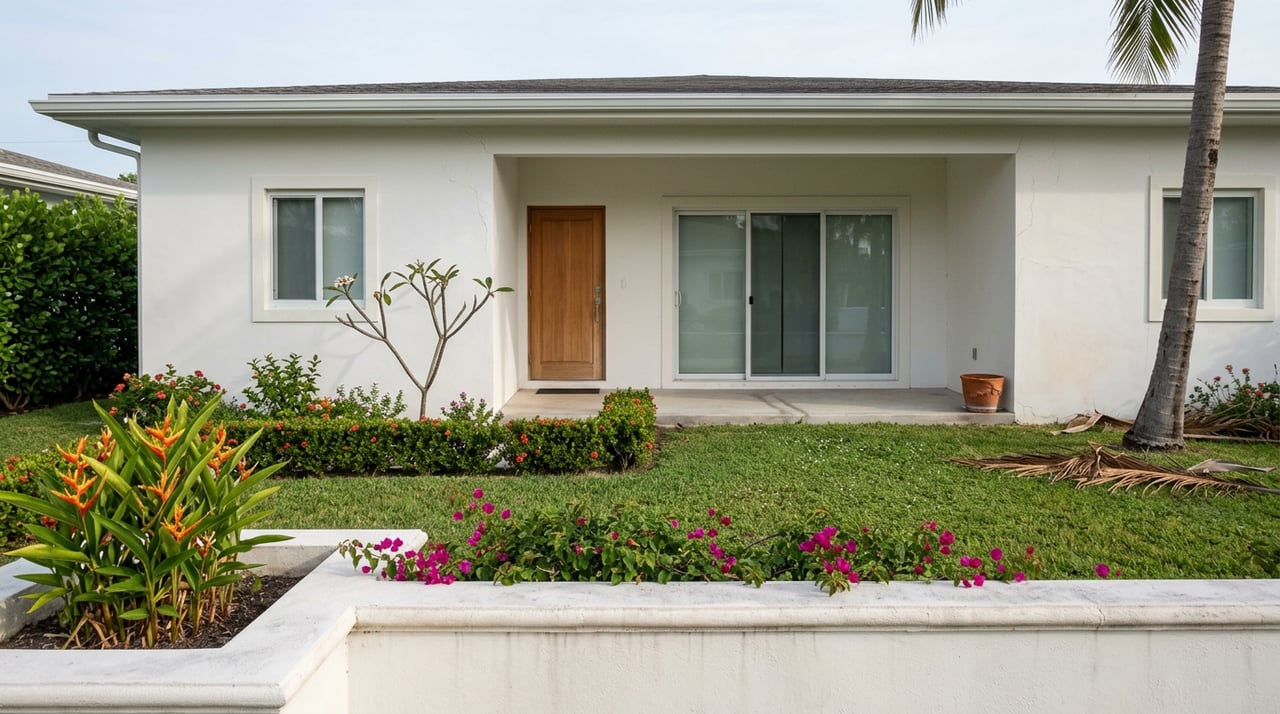
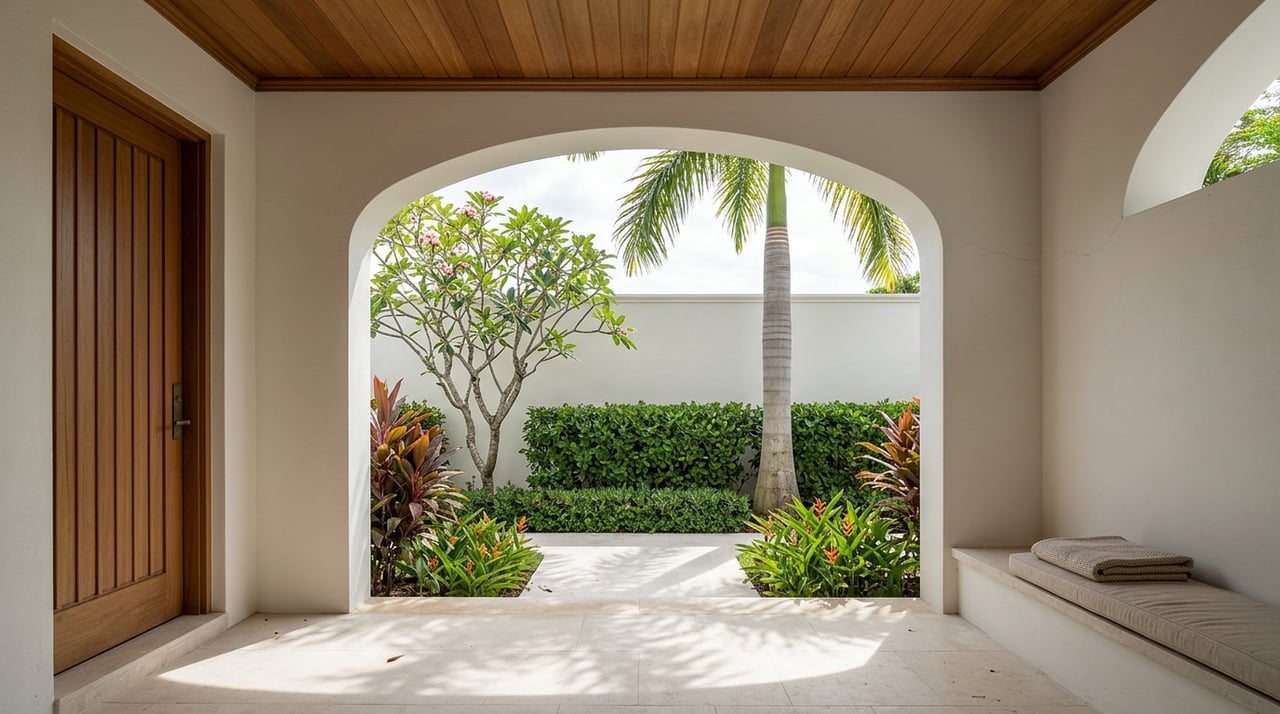
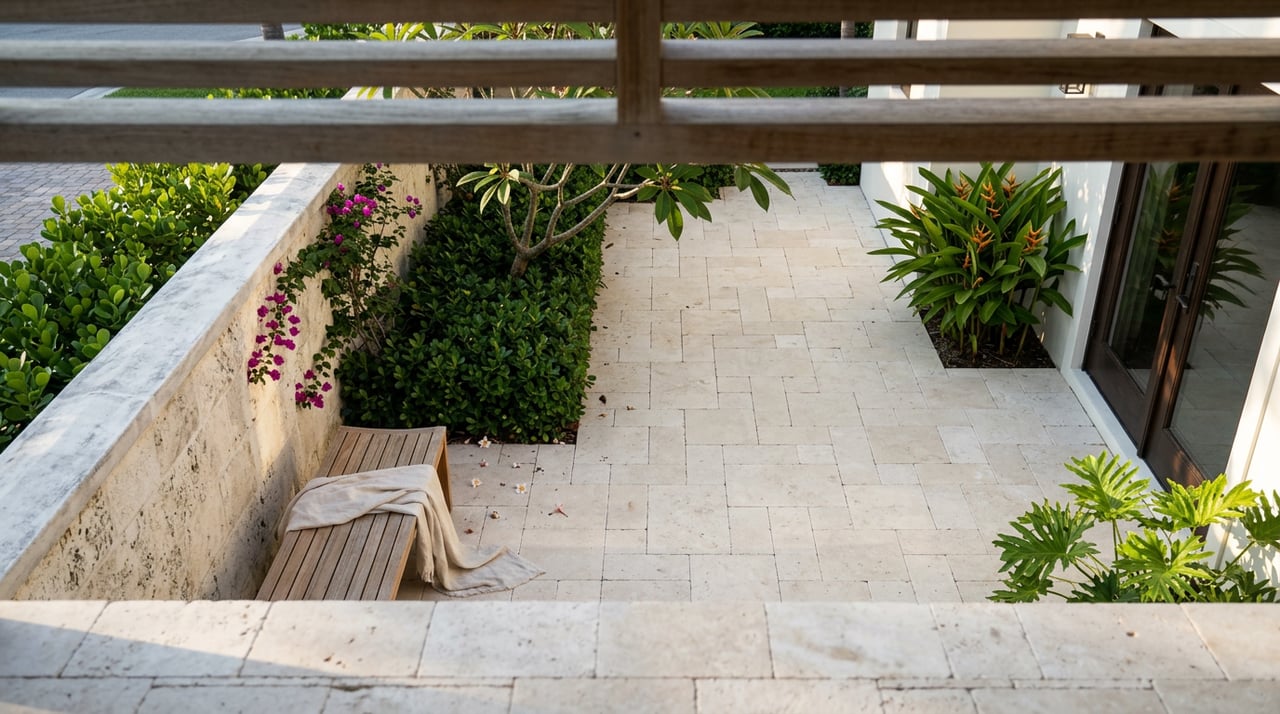
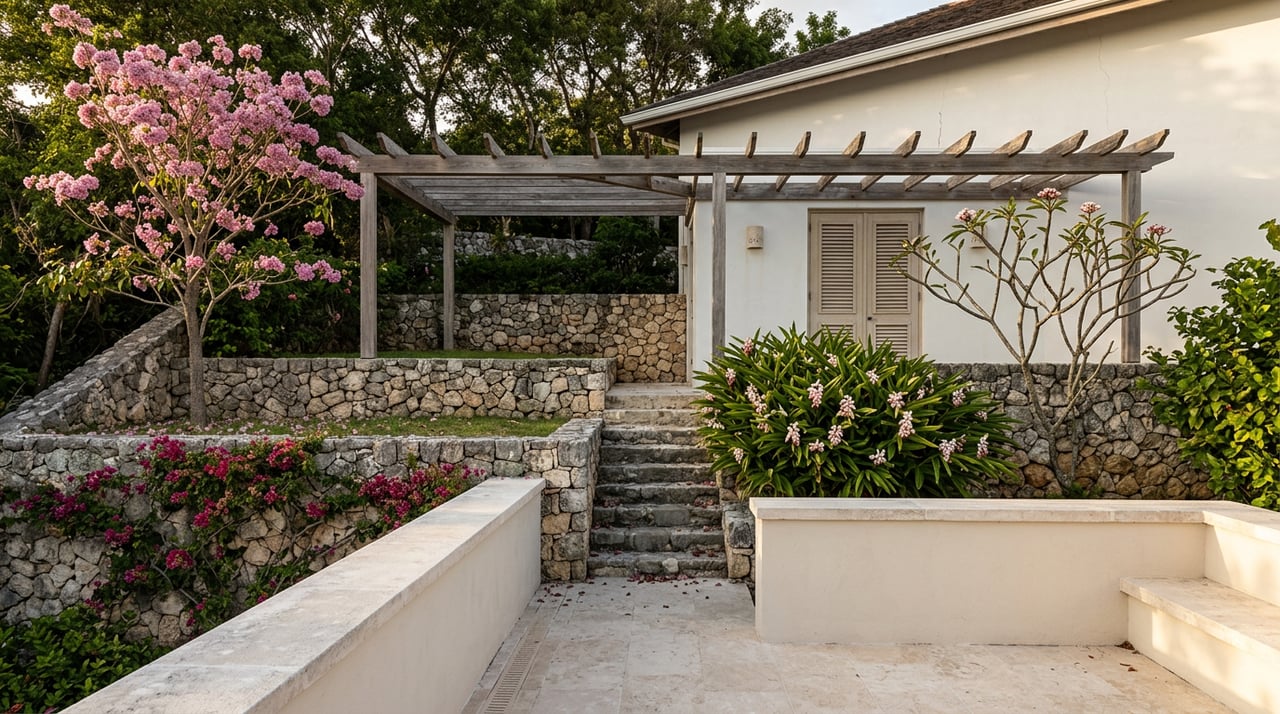
You can choose from historic brick buildings, plantation-style homes, beachfront condos, small subdivisions, and rural properties. Inventory is smaller than in most mainland markets, and pricing varies by location, amenities, and hurricane exposure.
Many newcomers rent first to learn neighborhood nuances and confirm internet and utility performance. If you plan to buy, weigh structure type, elevation, and storm readiness alongside lifestyle preferences like beach access or proximity to town.
Common property goals we see:
- A turnkey condo for easy living and lock-and-leave peace of mind.
- A single-family home with outdoor space, views, or a guest suite.
- A waterfront or luxury property oriented to lifestyle and hosting.
- A multi-unit or mixed-use property for long-term income.
Cost of living and insurance
Overall living costs trend higher than the mainland for imported goods, gasoline, utilities, and insurance. Housing costs range widely with waterfront and resort areas commanding premiums. Budgeting carefully helps you enjoy the lifestyle without stress.
What to budget for:
- Groceries and household goods at higher price points than stateside.
- Electricity, especially if you rely on air conditioning.
- Homeowners, windstorm, and flood insurance depending on location.
- Vehicle maintenance and parts that may require shipping.
Insurance is a key part of island ownership. Availability and pricing vary by property and location, and policies often include higher deductibles that reflect hurricane risk. Reviewing coverage and exclusions before you close is essential.
Jobs and remote work
St. Croix’s economy centers on tourism and hospitality, government roles, rum and related production, retail, and small businesses. The job market is smaller than in stateside cities, so many newcomers arrive with a job, work remotely, or build a self-employed practice.
Remote work is common here, but confirm internet reliability for your address and consider backup options. As a U.S. territory, residents are U.S. citizens, and taxes are administered locally. Rules differ from U.S. states, so consult the appropriate territorial agencies or a qualified advisor for guidance.
Lifestyle and recreation
Life on St. Croix leans outdoors. You can snorkel and dive year-round, including at Buck Island National Monument, a protected reef and beach area accessed by boat. Beaches like Cane Bay and Sandy Point are favorites, and Sandy Point has seasonal protections for sea turtle nesting.
On land, you’ll find hiking, golf at resort courses, historic sites, and eco-tours. Dining is casual and locally driven with seafood and Caribbean flavors. Nightlife centers on bars, music nights, and community events rather than large clubs.
Community rhythms matter here. Carnival, holiday festivals, farmers’ markets, and art walks are regular anchors of island life. If you enjoy knowing your neighbors, you’ll feel at home.
Is St. Croix right for you?
You’ll likely thrive if you value a slower pace, warm weather, and active outdoor living. You are comfortable planning for storms and power variability, and you do not mind higher costs for imported goods. You enjoy small-town dynamics, community events, and being involved beyond your front door.
If that sounds like you, start by clarifying your timeline, budget, and must-haves. Then spend time in different areas at different times of day to confirm what feels right.
Start with local guidance
Choosing the right property is easier with a team that understands island operations as well as sales. Clear Water Realty, operating under an on-island brokerage, brings hands-on experience in buyer and seller representation, investment sales, multi-family and land deals, luxury and waterfront properties, and both resale and new listings. Our integrated services include long-term property management, short-term and corporate rental operations, HOA and condominium administration, and renovation and project oversight.
Whether you are a lifestyle buyer, a remote owner, or an investor, you get straightforward advice, practical solutions, and end-to-end support. When you are ready to explore neighborhoods, test internet options, or plan for insurance and operations, we are here to help.
Ready to take the next step? Connect with the local team at S & S International to explore properties and get a tailored plan.
FAQs
What is the typical weather on St. Croix?
- Warm year-round with trade winds, with a drier season from late fall through spring and a wetter, more humid season from late spring through early fall.
When is hurricane season in the USVI?
- Officially June 1 to November 30, with the highest risk typically in August through October. Most residents keep a preparedness plan.
How reliable are power and internet on St. Croix?
- Both are available island-wide, but outages and service variability occur. Confirm providers and speeds at your address and consider backup plans.
What healthcare is available on-island?
- The main hospital offers emergency and general care, with clinics for routine needs. For specialized procedures, residents often travel to other islands, Puerto Rico, or the mainland.
Is it realistic to work remotely from St. Croix?
- Yes, many people do. Test connectivity at the exact property, and plan for a backup internet option if your work is time sensitive.
What should I budget for beyond the home price?
- Higher costs for imported goods, utilities, vehicle parts, and insurance. Review homeowners, windstorm, and flood coverage based on property location.
Should I rent before buying on St. Croix?
- Many newcomers rent first to learn neighborhoods, confirm utility performance, and refine their housing goals before committing to a purchase.