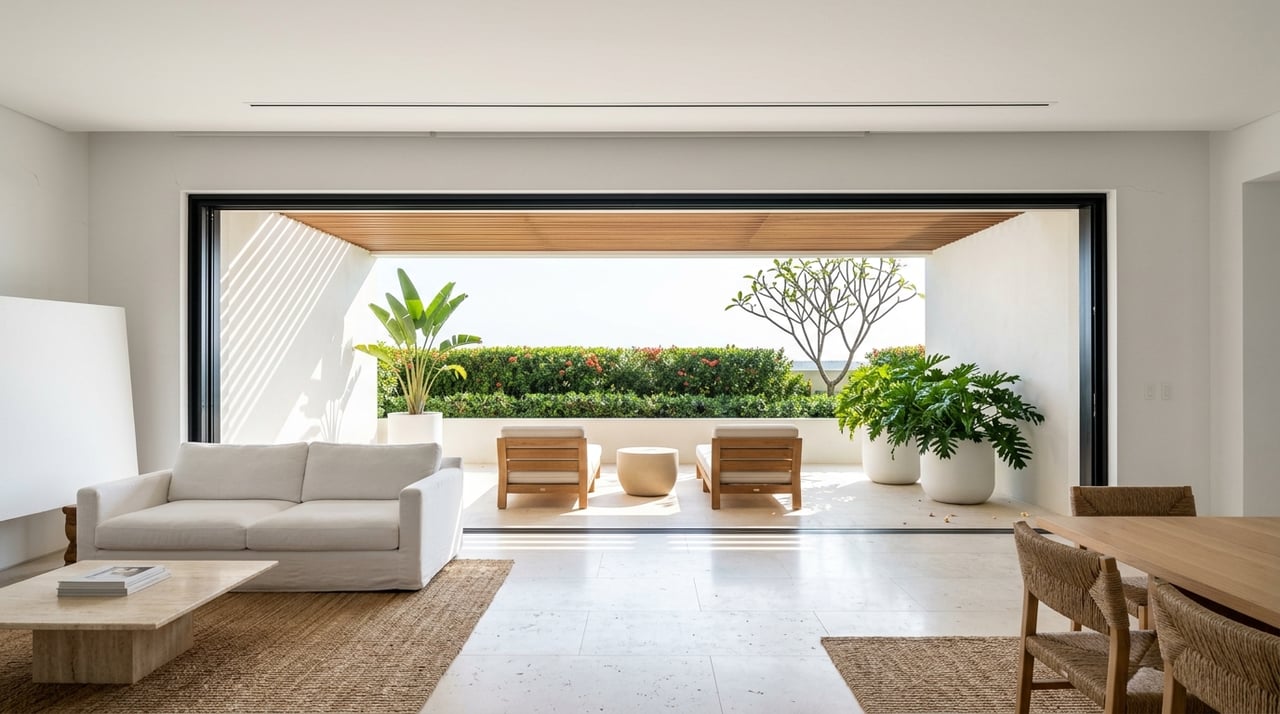
If you are selling a villa on St. John, your buyer may be making decisions from hundreds or even thousands of miles away. That changes how you should prepare, present, and package your property. When your listing is built for off-island buyers, you can reduce uncertainty, create stronger interest, and help serious prospects feel confident enough to plan a visit. Let’s dive in.
Why off-island buyers matter on St. John
St. John has a unique appeal that stands out in the U.S. Virgin Islands. Virgin Islands National Park covers almost 58% of the island’s land area, which means many buyers are drawn to protected views, privacy, natural surroundings, and easy access to outdoor living.
For villa sellers, that matters because many interested buyers are not comparing dense blocks of similar inventory. They are looking for a specific island experience. They want to understand how your property sits in the landscape, what the views feel like, and how daily life would work there.
That is why off-island marketing is not just helpful. It is central to the sale. Your listing often needs to do the work of a first showing before a buyer ever books a flight.
Build a digital-first listing
Remote buyers rely heavily on online information. According to the 2025 Profile of Home Buyers and Sellers, internet shoppers found photos, detailed property information, floor plans, and virtual tours especially useful, and many buyers started their search online.
For a St. John villa, this means your online presentation needs to be complete, polished, and easy to understand. A few attractive photos are not enough. You need to help buyers picture the property clearly and answer practical questions early.
Lead with strong photography
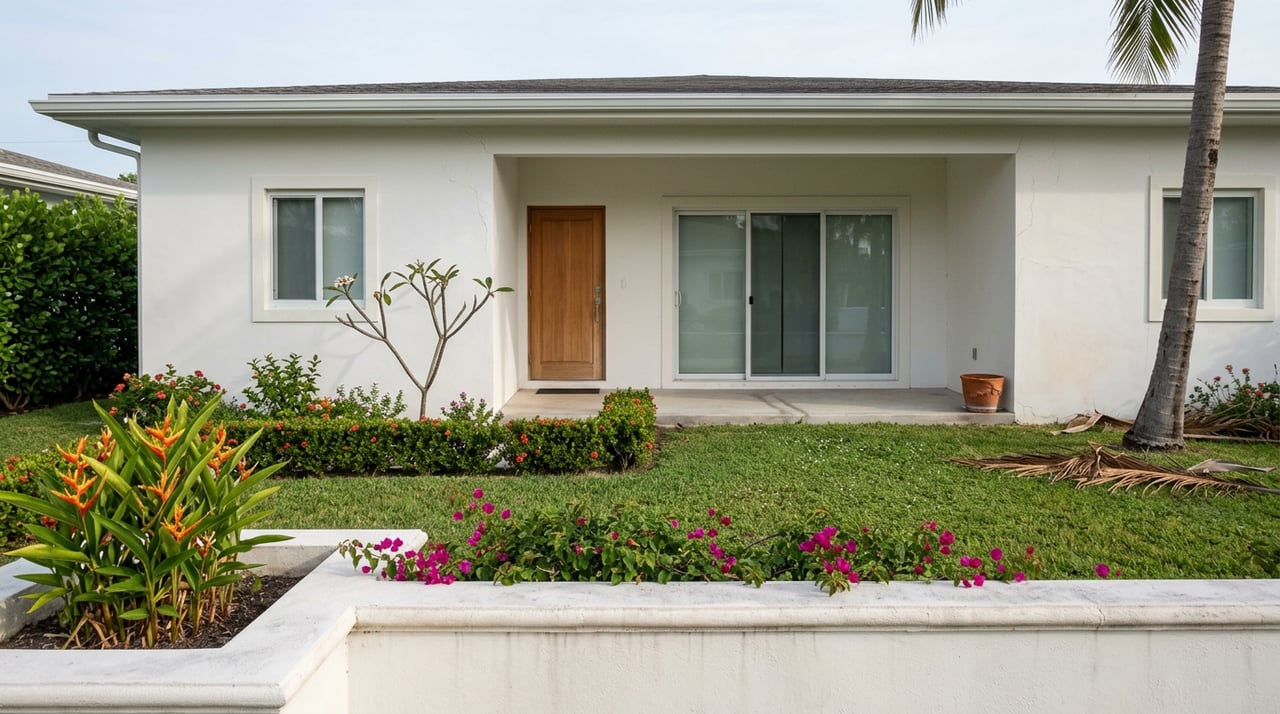
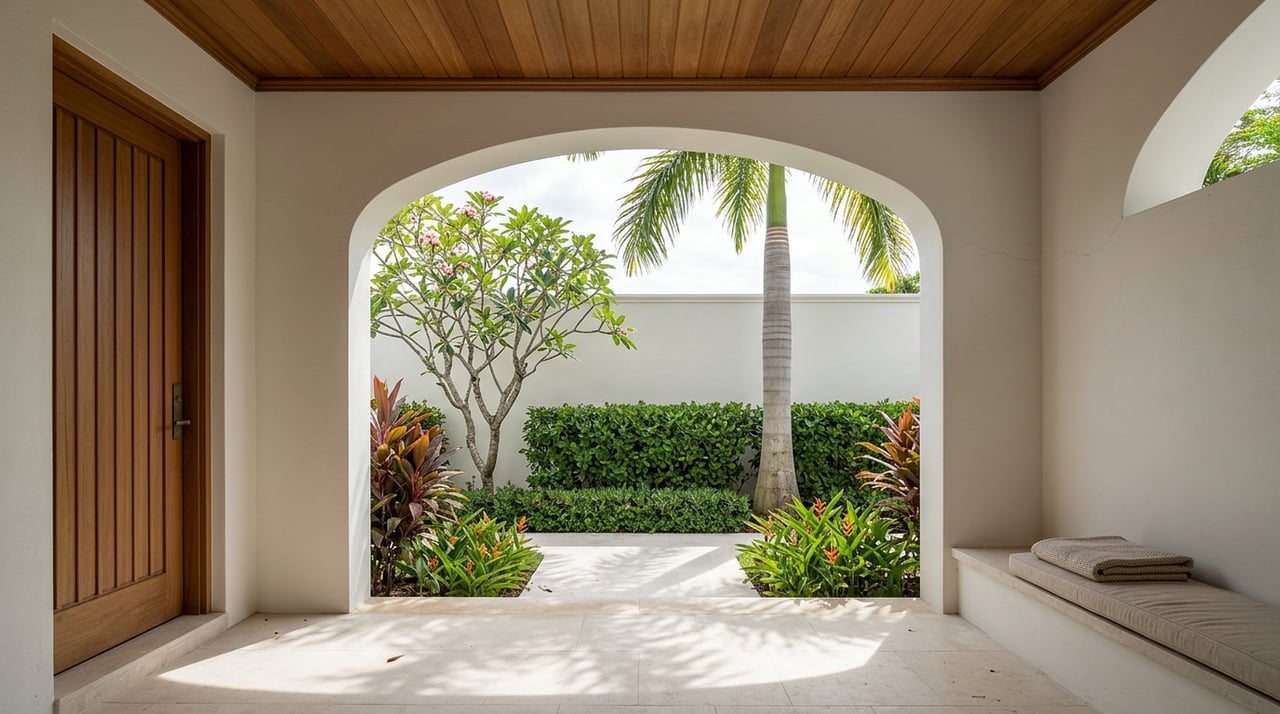
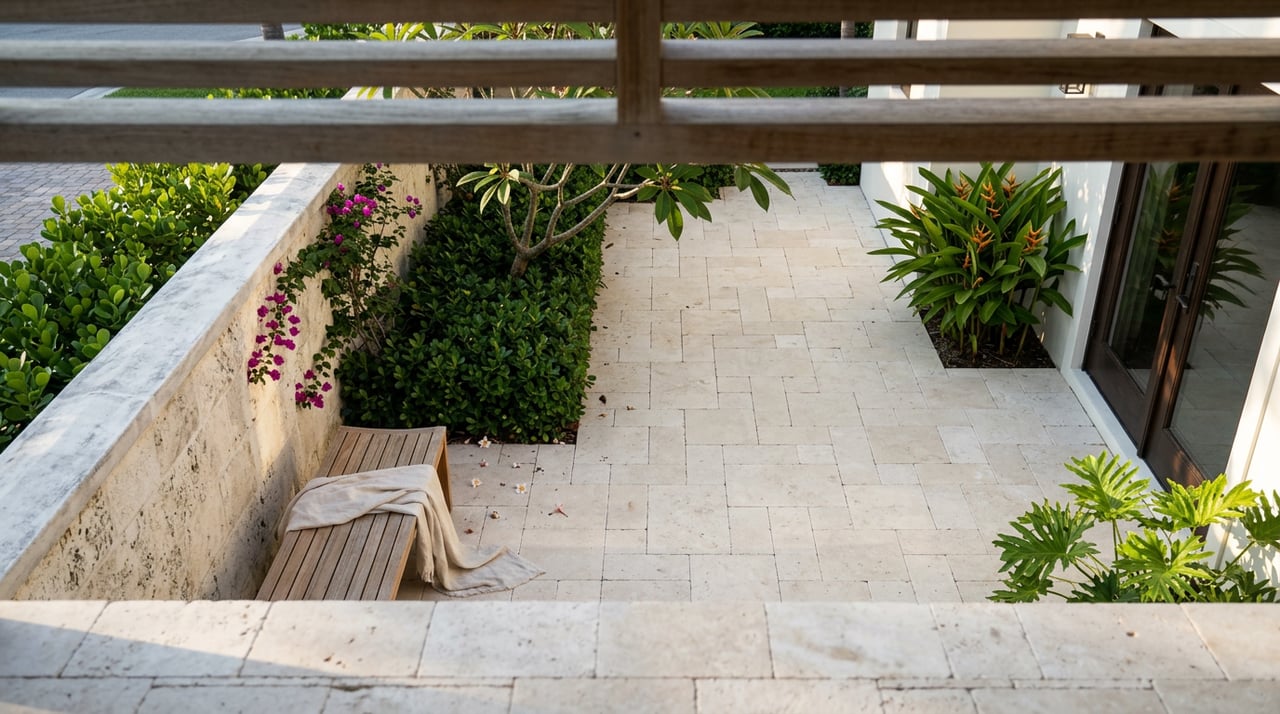
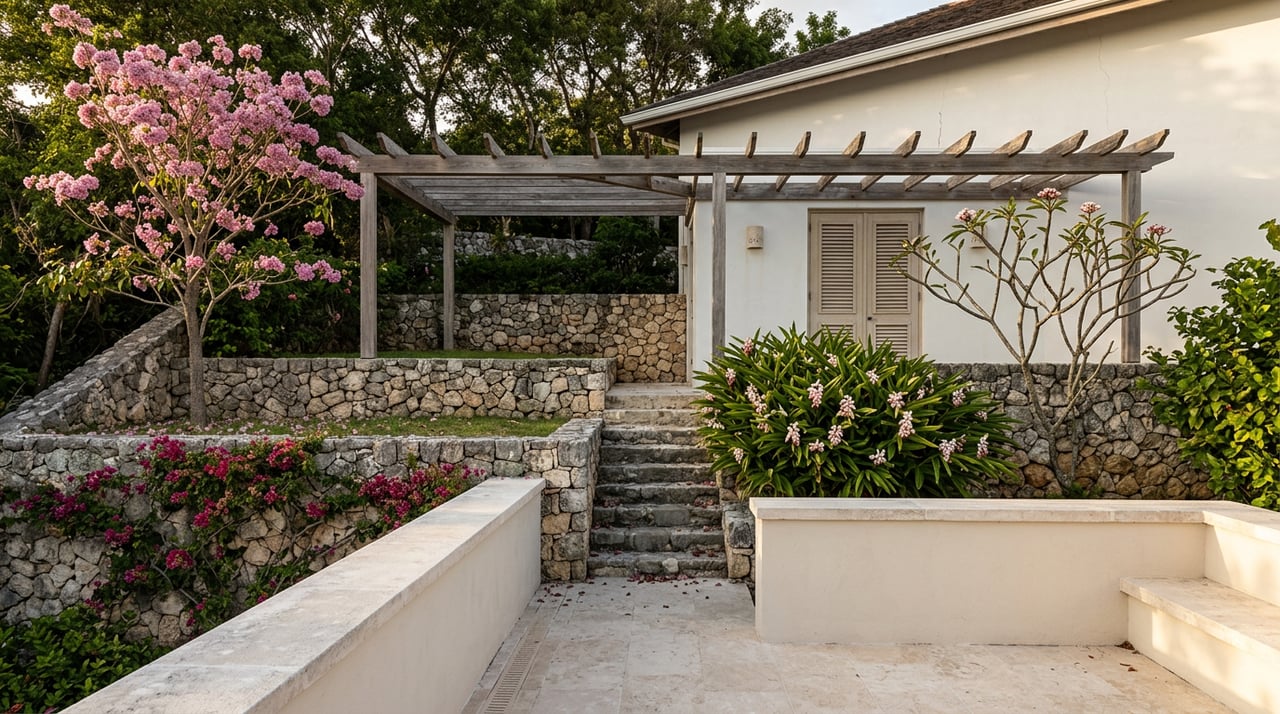
Clean, well-lit photography is one of the most important tools in your marketing plan. Off-island buyers want to see more than a beautiful exterior shot. They need a clear view of the living spaces, bedrooms, baths, kitchen, pool area, terraces, and the relationship between indoor and outdoor areas.
On St. John, light and setting are part of the value. Your photos should show view corridors, natural light, privacy, and how the villa connects to the landscape. If the property offers sunrise views, sunset angles, or shaded outdoor living areas, those details should be captured clearly.
Show the layout and flow
A floor plan or room-by-room layout detail helps remote buyers understand how the villa lives day to day. This is especially important when a buyer cannot casually stop by for a second look.
If your home has separate guest suites, multiple levels, outdoor access points, or a distinct main house and cottage arrangement, make that easy to follow. Buyers want to know how guests move through the property, how private each space feels, and how the home functions for everyday use or entertaining.
Add video or a virtual tour
A short video or virtual tour can help buyers understand flow in a way still photos cannot. It gives a better sense of scale, transitions, ceiling height, and how outdoor spaces connect with interior rooms.
For St. John villas, this can be a major advantage. Many buyers are shopping for a lifestyle as much as a structure, so seeing the approach, the terraces, and the view sequence can make the property feel more real before they ever visit.
Answer travel questions before buyers ask
Serious off-island buyers usually need enough information to decide whether an in-person trip is worthwhile. The easier you make that decision, the stronger your listing becomes.
The Virgin Islands Port Authority identifies Cyril E. King Airport on St. Thomas as a key transportation hub, and the Department of Public Works runs passenger ferry service between St. Thomas and St. John, including Red Hook to Cruz Bay. In practical terms, many buyers will be planning a flight to St. Thomas and then a ferry connection to St. John.
Make arrival simple to understand
Your listing should help buyers understand location and access in plain terms. Without overloading the description, it helps to explain the general route from airport to ferry to property area, along with whether the home is close to Cruz Bay or farther out on the island.
This does not mean adding travel fluff. It means reducing friction. If a buyer can quickly understand what it takes to get there and what the arrival experience feels like, they are more likely to keep moving forward.
Highlight daily-use details
Off-island buyers are often trying to picture real life, not just vacation snapshots. They may be wondering how easy it is to come and go, unload groceries, host guests, or enjoy the outdoor spaces through the seasons.
That is why practical listing details matter. Clear information about parking, access, stairs, bedroom separation, and outdoor living areas can help serious buyers decide whether the villa fits their needs before they commit to travel.
Prepare a seller packet that builds confidence
A strong St. John villa listing should go beyond photos and a short description. The goal is to make the property easier to evaluate from afar and reduce the unknowns that often slow down remote buyers.
When you organize key property details in advance, you create a smoother path from interest to offer. You also show buyers that the sale is being handled professionally.
Include the documents buyers value most
If you have a recent survey or as-built map, it can be a meaningful advantage. A local survey firm notes that as-built maps can help with bank loans and may identify improvements, easements or rights of way, encroachments, and zoning setback compliance.
That does not remove buyer due diligence, but it can make the property easier to review early. It also helps buyers and their representatives ask better questions from the start.
Organize improvement and ownership records
USVI closing materials indicate that title search, title insurance, payoff information, and survey-related review may all become part of the process. From a seller’s side, that makes early organization important.
Before your listing goes live, it helps to gather records tied to ownership, mortgage payoff if applicable, association information if applicable, and documentation for major improvements. A cleaner file can reduce delays once you accept an offer.
Get ahead of USVI closing requirements
One of the biggest mistakes sellers make is waiting too long to prepare closing paperwork. In the U.S. Virgin Islands, that can create preventable delays.
The USVI Recorder of Deeds records property deeds and mortgages, and Virgin Islands code states that no deed may be recorded until written proof is submitted showing that all property taxes due on the conveyed property have been paid. The Tax Collector’s Office issues tax clearance letters, which makes tax status a smart item to address before listing.
Start with tax clearance and core paperwork
If your taxes are not current or your documentation is incomplete, closing can slow down fast. Off-island buyers are often working within travel schedules, financing timelines, and inspection windows, so paperwork delays can affect momentum.
USVI closing guidance also notes that the seller’s attorney typically prepares the deed, a tax clearance request letter, an HOA or COA dues letter request if needed, and a mortgage payoff request if needed. Getting these items organized early can make your transaction much more efficient.
Watch the recording formalities
USVI recording details matter, especially in a remote sale. The Recorder of Deeds says deeds and mortgages must be submitted in original form, with e-recording limited for certain miscellaneous documents.
The Virgin Islands notary statute also requires two witnesses, and the notary cannot also serve as a subscribing witness on the deed. These may seem like small details, but they can affect timing if they are not handled correctly in advance.
Flag transfer tax early
Another important closing-cost item is transfer tax. Virgin Islands code imposes a graduated stamp tax on title transfers, with rates that increase based on the sale price.
For sellers, the main takeaway is simple: remote buyers should understand early that transfer taxes are part of the transaction landscape in the USVI. Bringing up closing costs early can help avoid surprises later.
Be ready for resilience questions
Because St. John is in a hurricane-prone region, off-island buyers often want more detail about how a property is built, maintained, and protected. These are practical questions, not unusual ones.
NOAA states that the Atlantic hurricane season runs from June 1 through November 30. FEMA also notes that Special Flood Hazard Area rules and flood insurance requirements can affect closings in mapped high-risk areas.
Share the right property details
If applicable, be ready to discuss items such as:
- Roof age
- Storm shutters
- Drainage
- Backup power
- Flood zone status
- Insurance history
You do not need to overstate anything. You simply want to provide clear, factual information that helps a remote buyer understand the property and ask informed follow-up questions.
Focus on clarity, not hype
The best St. John villa listings do not try to impress buyers with vague luxury language alone. They make the property easy to understand.
That means clear visuals, practical details, organized documents, and a realistic path from online search to in-person visit to closing. When you reduce uncertainty, you improve the odds of attracting serious off-island buyers who are prepared to act.
A thoughtful strategy can make all the difference, especially in a market where buyers are often evaluating views, access, outdoor living, and closing readiness from far away. If you want your villa to stand out, make it easy to see, easy to understand, and easy to move forward.
If you are preparing to sell on St. John, S & S International can help you position your property with smart marketing, local insight, and practical guidance designed for island sales.
FAQs
How should you market a St. John villa to off-island buyers?
- Focus on a digital-first presentation with strong photos, clear property details, floor plans or layout information, and video or virtual tour content that helps buyers understand the home before traveling.
What listing details matter most for remote St. John buyers?
- Remote buyers usually want to understand views, light, layout, outdoor living, access, parking, bedroom separation, and how the property fits into daily island life.
Why is paperwork preparation important when selling real estate on St. John, USVI?
- Early document preparation can reduce delays because USVI closings may require tax clearance, original recording documents, payoff information, and other transaction-specific paperwork.
What property documents can help a St. John villa sell faster?
- A recent survey, as-built map, records of major improvements, mortgage payoff information if needed, and HOA or COA records if applicable can help buyers evaluate the property more efficiently.
What should sellers disclose about storm and flood considerations for St. John villas?
- Sellers should be ready to provide clear factual details, where applicable, about roof age, shutters, drainage, backup power, flood zone status, and insurance history.
How do off-island buyers usually reach St. John for a property visit?
- Many buyers travel through Cyril E. King Airport on St. Thomas and then continue by passenger ferry from Red Hook to Cruz Bay on St. John.