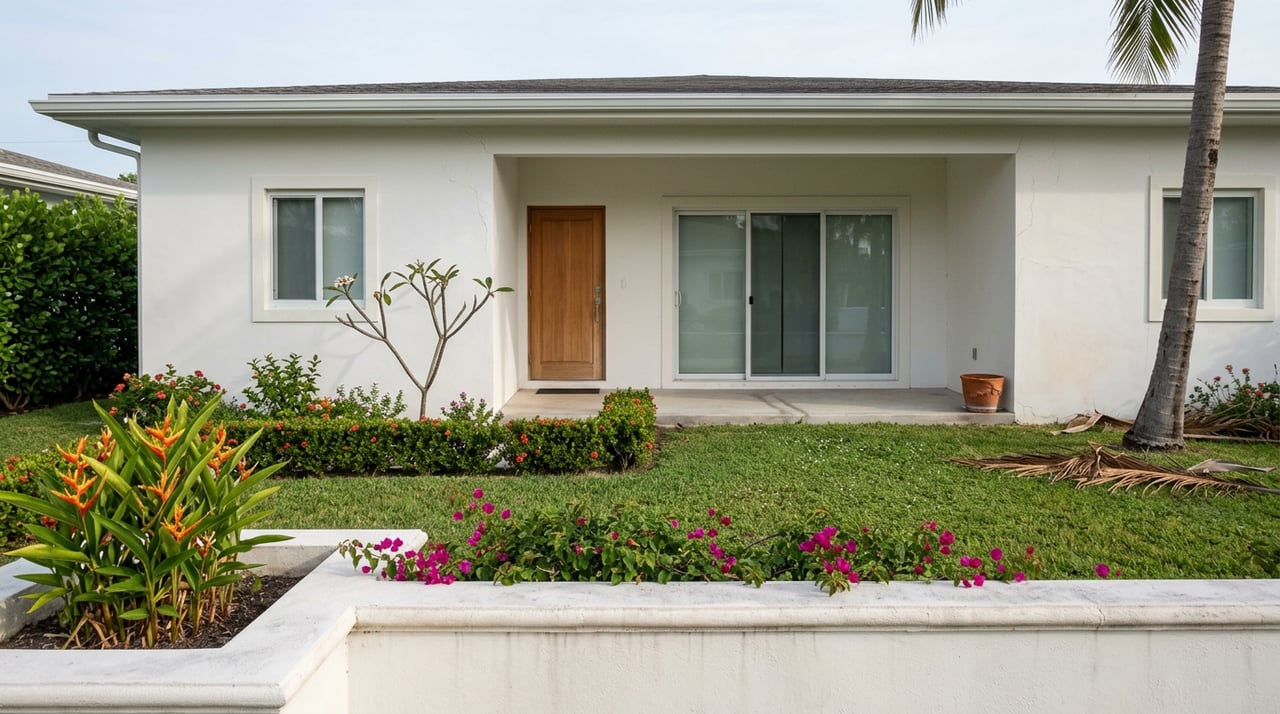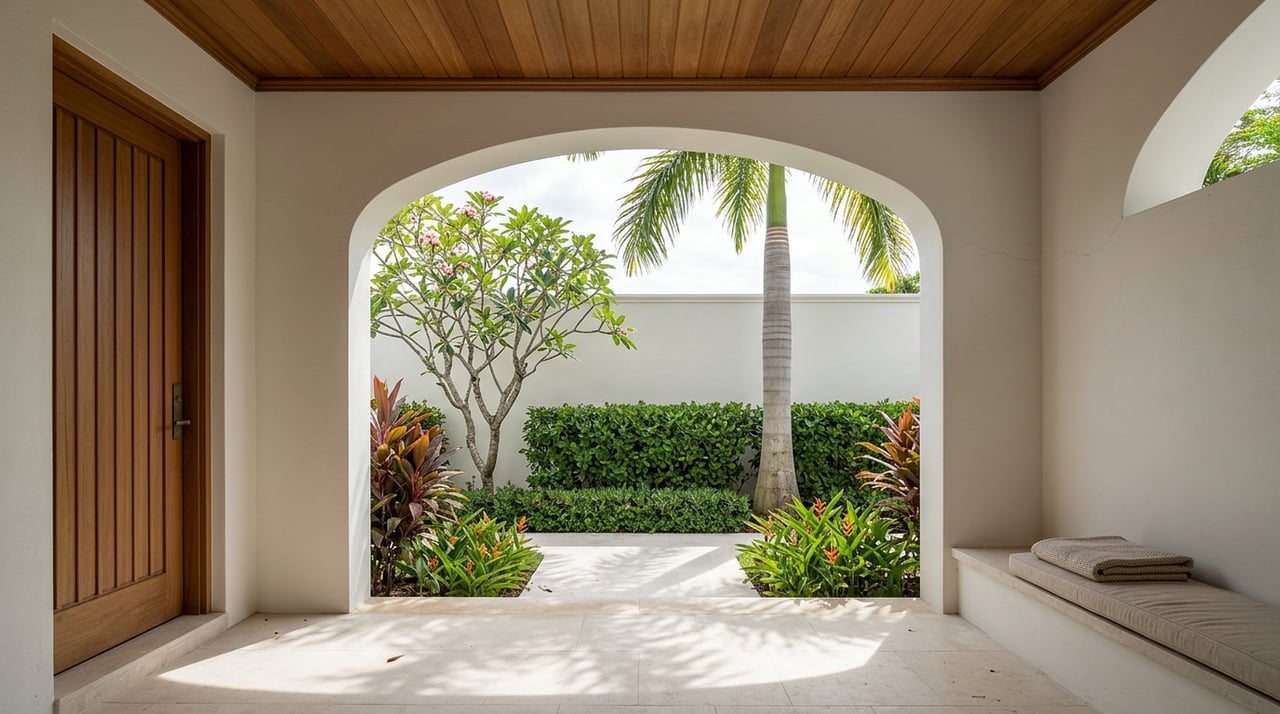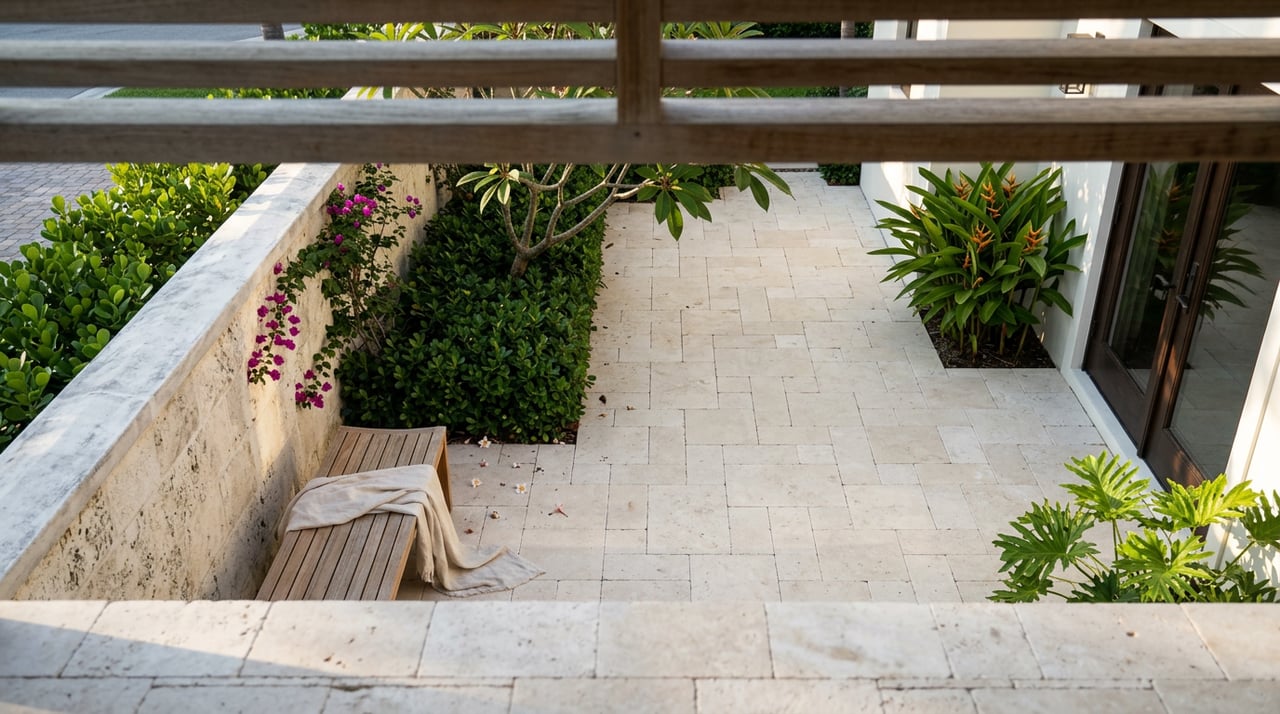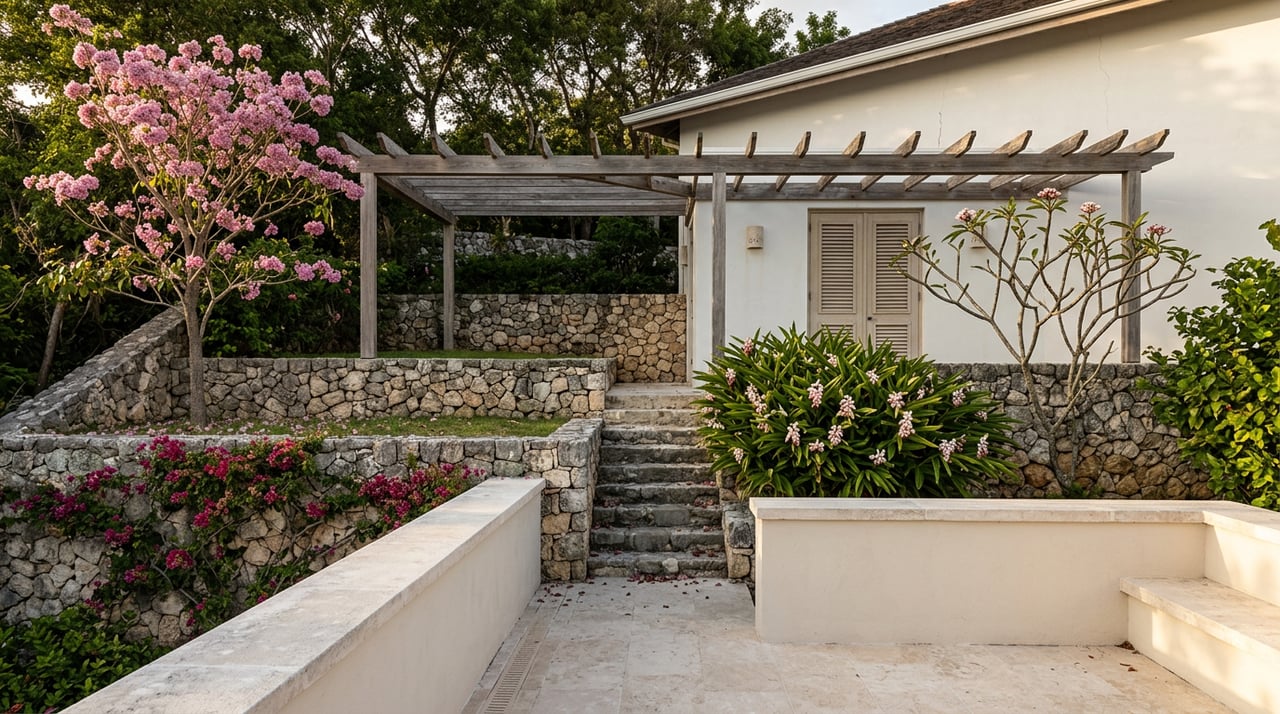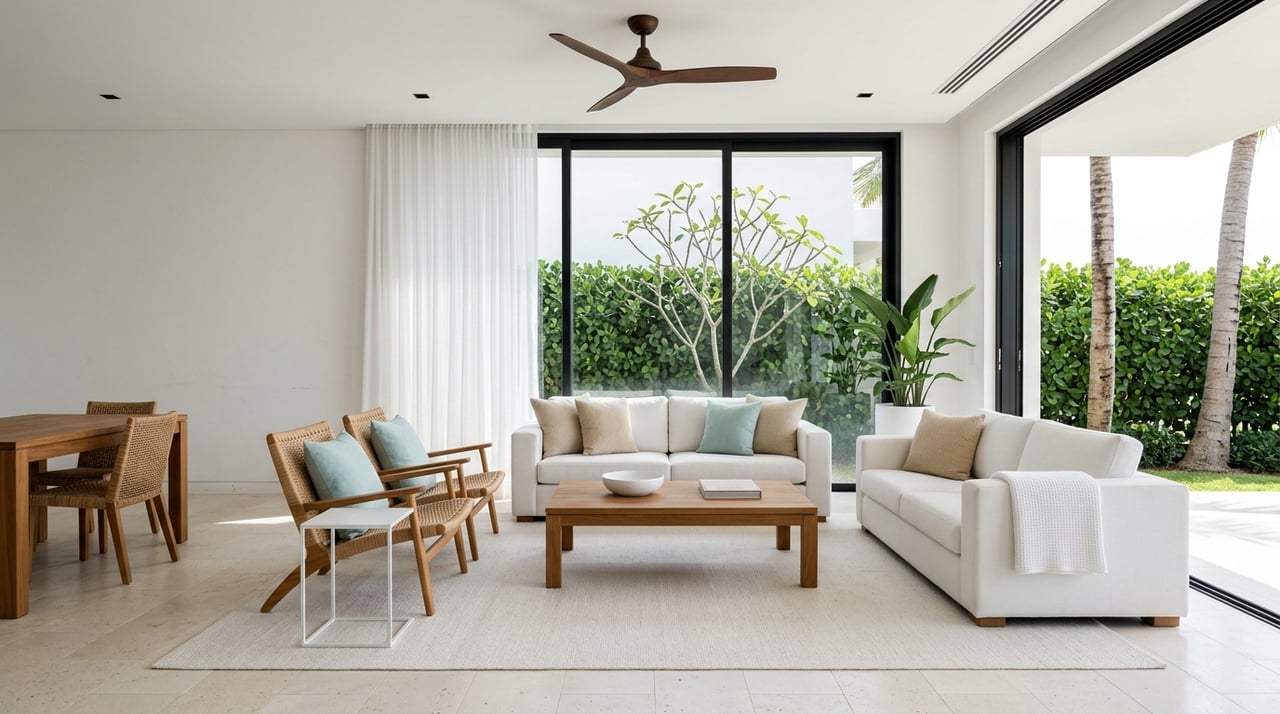
What makes a St John vacation rental stick in a guest’s mind long after checkout? It is usually not one flashy feature. It is the way the home feels easy, breezy, comfortable, and clearly built for island living. If you own, are buying, or are improving a vacation rental in St John, smart design can help you create a better guest experience and a stronger investment. Let’s dive in.
Why St John design starts with the island
St John is not a typical vacation market. About 60% of the island is protected by Virgin Islands National Park, and visitors often come for snorkeling, sailing, kayaking, scuba diving, and hiking. That means your rental is not just a place to sleep. It is part of the island experience.
Design decisions should reflect that reality from the start. Guests want homes that make it easy to enjoy the outdoors, rinse off after the beach, store gear, and relax in a comfortable setting with a strong connection to the views. On St John, those details feel essential, not optional.
The island’s warm climate also shapes every room. Average temperatures typically range from the mid-70s to upper 80s year-round, with hurricane season running from June 1 through November 30. A memorable rental needs shade, moisture control, and storm-aware materials that can hold up over time.
Build around the guest journey
The best St John rentals feel simple from the moment guests arrive. That matters on an island with only two main roads, steep and winding routes, and limited parking in many areas. If getting in and settled feels stressful, that first impression can linger.
Start with arrival. Clear drop-off space, straightforward entry, and practical storage near the front door can make a big difference. Guests often return carrying coolers, bags, towels, and beach gear, so a home that helps them unload and reset quickly feels more thoughtful.
After that, think in stages. A strong layout supports the way guests actually move through the day, from coffee on the terrace to a beach outing to a rinse-off and relaxed dinner at home. When the plan feels intuitive, the stay feels more premium.
Key guest-flow design ideas
- Create a clear entry zone for shoes, bags, and keys
- Add an outdoor shower or rinse area near the main return path
- Include hooks, bins, or storage for towels and beach gear
- Make laundry easy to access for longer stays
- Keep the kitchen simple and functional for quick meals and drinks
- Prioritize shaded outdoor seating for morning and evening use
Make indoor-outdoor living the focal point
On St John, outdoor living is part of the value of the stay. Guests are often choosing a property because they want sun, breeze, views, and a setting that feels tied to the water and landscape. Your design should make that connection obvious.
That does not require overdesign. In many cases, a clean living room that opens naturally to a terrace or pool deck is more effective than a heavily decorated interior. Open sight lines, restrained styling, and comfortable seating often create a stronger impression than too many decorative elements.
Short-term rental research supports this direction. Recent findings showed that modern-style Airbnb properties had higher occupancy than classic or traditional-style properties. Research also found that a living-room background image in the hero photo increased booking rate by 35% and added $728 in revenue during the study period.
What guests remember most
Guests tend to remember spaces that feel easy to use and visually calm. In St John, that often means:
- A bright living area with a view
- A terrace that works for dining and lounging
- Bedrooms that feel uncluttered and restful
- A visible transition from interior comfort to outdoor enjoyment
- Practical places to dry swimsuits and towels
Choose materials for humidity and salt air
Island beauty comes with island wear and tear. Warm air, high humidity, and coastal exposure can shorten the life of finishes that might perform well on the mainland. If you want a rental that looks good and operates well over time, your material choices matter.
Moisture control should lead the conversation. EPA guidance notes that excess moisture can contribute to mold, mildew, rot, structural damage, and premature paint failure. DOE also cautions that natural ventilation alone may not be enough in humid climates, so breezes should be paired with active dehumidification rather than treated as the full solution.
That is why full air conditioning and dehumidification are usually not luxury add-ons in St John. They are part of protecting the property and creating a comfortable guest experience. If a space feels damp, guests notice quickly.
Smarter finish selections for St John
For island conditions, durable and lower-maintenance materials tend to perform best. Consider choices such as:
- Corrosion-resistant hardware
- Powder-coated aluminum
- Stainless steel in appropriate applications
- Sealed stone or porcelain surfaces
- UV-stable performance fabrics
- Painted or sealed finishes designed for moisture exposure
These choices support both appearance and longevity. They can also reduce the cycle of repairs and replacements that often frustrates remote owners.
Design for storms without sacrificing style
In St John, resilience should be part of the visual plan, not buried in a spec sheet. USVI building permits are reviewed under Title 29 and several adopted building codes, and the amended code requires consideration of topographic wind effects and ASCE 24 in flood-hazard areas. The USVI wind-hazard plan sets 145 mph as the minimum basic wind speed standard territory-wide.
For vacation rental owners and buyers, that means storm-readiness is not a side issue. It is part of responsible ownership and part of how you protect the guest experience. A home that feels secure inspires more confidence than one that looks beautiful but fragile.
FEMA identifies shutters and impact-resistant windows and doors as key protective measures in hurricane-prone areas. These features can be integrated in ways that still fit a clean, modern tropical look. The goal is not to make the home feel heavy. It is to make resilience feel built in.
Storm-aware features to prioritize
- Impact-resistant windows and doors
- Shutters where appropriate
- Covered entries and protected outdoor zones
- Durable exterior finishes suited to wind and rain exposure
- Storage solutions for securing outdoor furniture and gear
- Backup power planning as part of operations
Utilities are part of the design story
One of the biggest mistakes in island rentals is treating water and power like invisible background systems. In the USVI, they are part of day-to-day ownership and should be considered early in the design process. If they are ignored, they can affect both guest satisfaction and long-term performance.
DPNR’s 2025 cistern guide says an estimated 90% of homes in the USVI have active cisterns. Because freshwater sources are limited, rainwater harvesting is a common supply model. That means water storage, maintenance access, and guest instructions may all matter more here than they would in many mainland markets.
Power planning also deserves attention. Storm-related outages were reported on St. John in 2024, which makes backup power and an easy guest communication plan worth considering. For owners, this is not only operationally smart. It also helps reduce stress when issues come up.
Utility features guests appreciate
- Reliable air conditioning with dehumidification
- Clear, simple instructions for island utilities
- Laundry for beachwear and longer stays
- Kitchen systems that are easy to understand and use
- Backup power planning for key functions
- Well-maintained water systems and guest-facing guidance
Amenities that feel essential on St John
In competitive lodging markets, amenities help shape both reviews and booking performance. Research on short-term rentals consistently links amenities to guest experience, and broader studies have connected features like Wi-Fi and free parking with stronger listing performance. On St John, the most valuable amenities usually support comfort, convenience, and island activities.
That means the basics need to be very good. Reliable Wi-Fi, shaded seating, beach gear, laundry, and a functional kitchen should usually be treated as core features. Guests may come for the beaches, but they still notice whether the home is easy to live in.
The local lodging market also gives owners a reason to pay attention. The USVI Bureau of Economic Research reported year-to-date occupancy of 43.6% for St. Thomas and St. John visitor accommodations through November 2025, with large hotels at 50.7%. While that is not a short-term-rental metric, it does point to a market where a clear design story can help a property stand out.
Photograph the experience, not just the rooms
Good design works harder when it photographs well. On a platform thumbnail or listing gallery, you often have only a few images to communicate why your property feels worth remembering. That makes visual clarity a business decision, not just an aesthetic one.
For St John, your images should lead with the island experience. Show the living area, but make sure the indoor-outdoor connection is obvious. Highlight the terrace, pool, or seating area where guests can imagine starting or ending the day.
Avoid clutter in every frame. Clean bedroom styling, simple surfaces, and a bright main living area usually perform better than packed shelves or too many accessories. If your home has thoughtful beach storage, a rinse area, or practical arrival features, those are worth showing too because they help tell the full guest story.
Photos that support bookings
- Hero image with a bright living room or terrace
- Wide shot that shows the view or outdoor seating
- Clear indoor-outdoor transition image
- Uncluttered bedroom photos
- Kitchen image that looks functional and clean
- Utility and convenience details like laundry, rinse-off areas, and gear storage
What memorable St John rentals get right
The strongest vacation rentals on St John tend to combine three things: a clear visual identity, systems that handle moisture and weather, and practical conveniences that match how guests use the island. If one of those pieces is missing, the property may still be attractive, but it is less likely to feel complete.
That is especially important if you are buying with rental use in mind or upgrading an existing property. A beautiful view can draw attention, but the full experience is what earns repeat stays and stronger reviews. Thoughtful design helps bridge that gap.
If you are evaluating St John real estate listings, it helps to look beyond finishes alone. Ask how the property handles climate, how the layout supports beach-centered living, and how easily an owner can operate it over time. Those are often the details that separate a nice island home from a rental guests truly remember.
If you are exploring St John properties for personal use, investment, or short-term rental potential, S & S International can help you evaluate what works on paper and what works in real island conditions.
FAQs
What design style works best for a St John vacation rental?
- A clean, modern, uncluttered style often performs well because it photographs clearly, supports indoor-outdoor living, and keeps the focus on views, comfort, and the island experience.
Is air conditioning important for a St John vacation rental?
- Yes. In St John’s hot, humid climate, active cooling and dehumidification are usually important for guest comfort and for helping control moisture that can lead to mold, mildew, and finish damage.
What amenities matter most in a St John rental property?
- Guests often value reliable Wi-Fi, dehumidified air conditioning, laundry, shaded outdoor seating, beach gear, practical storage, parking or easy unloading, and a simple kitchen that is easy to use.
Do storm-protection features matter for St John homes?
- Yes. USVI code is built around wind and flood resilience, and features like shutters and impact-resistant windows and doors are important protective measures in hurricane-prone areas.
Why does storage matter in a St John vacation rental?
- Because many guests spend their days at beaches and on the water, they need easy places to rinse, dry, and store towels, bags, coolers, and gear when they return.
What should you look for in St John real estate listings if rental use is the goal?
- Focus on layout, outdoor living, moisture control, storm resilience, utility planning, guest convenience, and how easily the property can be operated and maintained in island conditions.