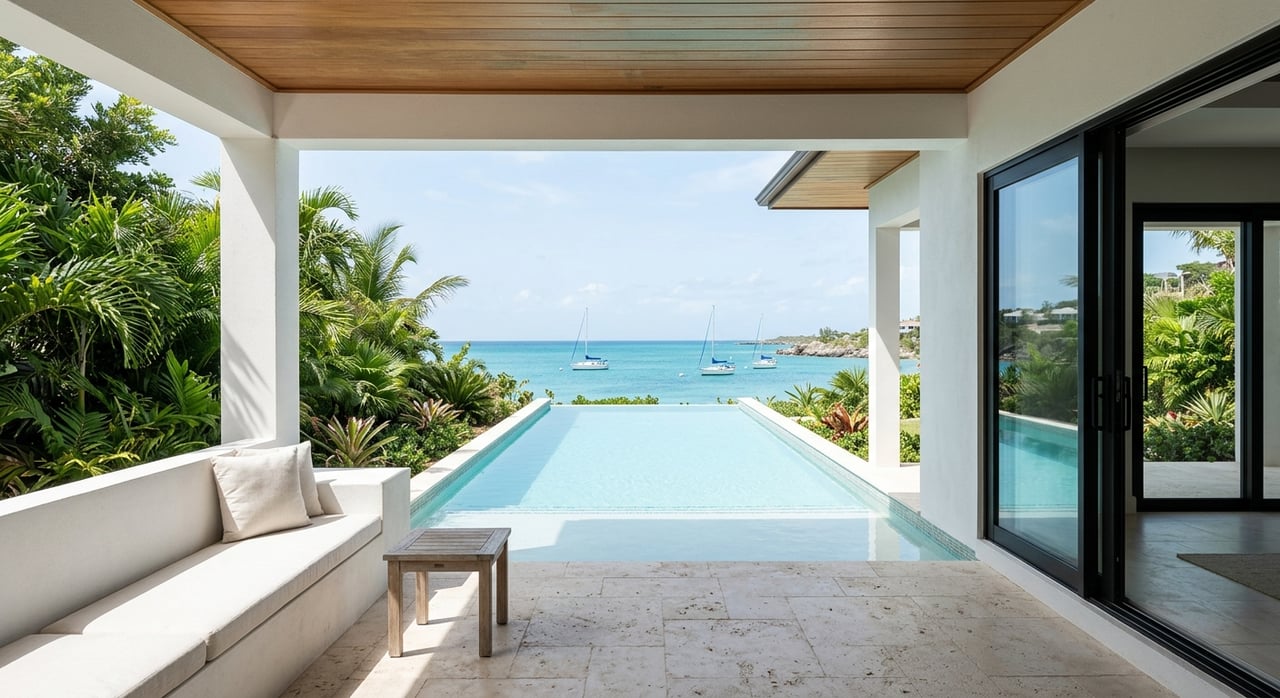
If your ideal St. John home includes easy dinghy runs, quick launch access, or calm bays for day sailing, where you buy matters just as much as what you buy. The island offers a few very different boating lifestyles, from dockside convenience near Cruz Bay to quieter shoreline living near moorings and protected bays. This guide will help you compare the best St. John neighborhoods for boaters and sailors so you can match your home search to the way you actually plan to use the water. Let’s dive in.
Why neighborhood matters on St. John
St. John does not have a large marina district where every boating need is concentrated in one place. Instead, boating access revolves around a handful of key areas, especially Cruz Bay, park-managed moorings, designated anchorages, and select launch points.
That setup makes location a practical choice. If you expect to use the ferry often, handle provisioning in town, or stay close to launch and customs activity, you may want to live near Cruz Bay. If your boating routine is more about moorings, beach access, or quieter day trips, a different part of the island may fit better.
The road network also shapes daily life. According to the National Park Service, St. John has only two main roads, Route 10 and Route 20, and parking can be limited at popular beaches. In other words, a short shoreline distance does not always mean the easiest boating routine.
Cruz Bay for direct access
For many boaters, Cruz Bay is the most practical place to start. It is home to the Loredon L. Boynes Sr. Dock, which includes dinghy berthing and ferry service to Red Hook and Charlotte Amalie, and the Victor William Sewer Marine Facility, which serves passenger ferries, charters, tenders, and customs-inspected arrivals.
If you want the shortest path between home and the island’s busiest marine services, Cruz Bay stands out. The National Park Service also notes a designated boat-launching ramp in Cruz Bay, along with limited short-term anchoring for vessels 60 feet or less in Cruz Bay Creek near the NPS boat ramp.
This area makes sense if you value function and speed. You can stay closer to ferry traffic, dock activity, launch access, and day-to-day errands, which can simplify island life if boating is part of your regular routine.
Best for frequent boat use
Cruz Bay is often the strongest fit if you:
- Want quick access to ferry and dock services
- Expect to launch often
- Need easy customs and charter proximity
- Prefer shorter in-town runs for provisioning and errands
The trade-off is simple. You are choosing convenience and activity over a quieter residential setting.
Chocolate Hole and Great Cruz Bay balance convenience
If you want to stay close to Cruz Bay without living in the busiest part of town, Chocolate Hole and Great Cruz Bay offer a strong middle ground. These neighborhoods sit just south of Cruz Bay and are often appealing to buyers who want a residential feel with easy access to town.
For boaters and sailors, that balance can be especially attractive. You are still within a short drive of Cruz Bay’s launch, ferry, shopping, and service areas, but your home base may feel more relaxed day to day.
This is often the best compromise for buyers who want boating convenience without being fully centered in the island’s main hub. If you picture yourself using town often but returning home to a quieter setting, these neighborhoods deserve a close look.
Best for a near-town home base
Chocolate Hole and Great Cruz Bay may be a good fit if you:
- Want close access to Cruz Bay services
- Prefer a more residential setting
- Plan to split time between boating and town amenities
- Value convenience without constant dockside activity
Fish Bay offers quieter shoreline living
Fish Bay and the south-shore corridor can appeal to buyers who want the water nearby without making dock access the center of daily life. This area is often viewed as quieter and more private, while still staying close enough to Cruz Bay for an easier run into town.
That makes Fish Bay a smart option for people whose boating lifestyle is more casual or flexible. If your ideal day includes paddleboarding, kayaking, or keeping a few simple on-water routines close to home, this area may feel like a natural fit.
It also works well for buyers who want a residential setting first and boating access second. You may not be as close to the busiest marine infrastructure, but you gain a calmer pace and a strong connection to the shoreline.
Best for water-oriented daily living
Fish Bay may suit you if you:
- Want a quieter home base near the water
- Care more about shoreline living than dock access
- Plan to kayak, paddleboard, or enjoy protected water nearby
- Still want reasonable access to Cruz Bay
Coral Bay suits a slower sailing routine
Coral Bay offers a different kind of boating lifestyle. Located on the east end, it is often chosen by buyers who want more space, more privacy, and a slower day-to-day rhythm.
For sailors in particular, Coral Bay stands out because of its relationship to Hurricane Hole. The Virgin Islands Coral Reef National Monument includes the shoreline and waters of Hurricane Hole, and the National Park Service manages a separate hurricane-season berth and mooring permit system there for vessels up to 60 feet length overall.
That does not mean Coral Bay is automatically right for every boater. It does mean this side of the island is worth special attention if storm planning, protected water, and a quieter sailing base matter to you.
Best for sailors thinking long term
Coral Bay may be the better fit if you:
- Prefer a slower east-end lifestyle
- Want more privacy and space
- Think carefully about hurricane-season planning
- Value proximity to Hurricane Hole considerations
North Shore fits moorings and day trips
If your boating life is centered on scenic bays, beach access, and shorter runs on the water, the North Shore deserves serious consideration. This corridor includes areas associated with Peter Bay, Maho, Hawksnest, Francis, and Leinster, where the boating experience is shaped more by moorings and protected bays than by dockside convenience.
The National Park Service lists moorings and anchorage sites around Lind Point and Caneel, Hawksnest, Francis Bay, Maho Bay, Leinster Bay, and Great Lameshur Bay. It also notes small-boat or paddle launch amenities in places like Hawksnest and Francis Bay, while Maho Bay is known for calm water and road access.
For many buyers, the North Shore offers the classic St. John water lifestyle. The trade-off is that you are generally choosing beauty, beach proximity, and mooring-based access over being close to ferry and service infrastructure.
Best for beach-and-bay boating
The North Shore may be right for you if you:
- Care more about moorings than town access
- Enjoy day sailing and short hops between bays
- Want close access to beaches and calm water
- Do not need dock services at your doorstep
Key boating rules to know
Before you narrow your home search, it helps to understand that boating on St. John is shaped by park rules as much as geography. The National Park Service relies on moorings, designated anchorages, and fee stations across several bays.
The park identifies designated anchorages at Francis Bay and Lind Point. It also notes floating fee stations at Leinster Bay, Francis Bay, and Caneel Bay, along with land-based fee stations at Cruz Bay Visitor Center, Salt Pond Beach, and the VIERS dock in Lameshur Bay.
There are also overnight-use limits in park waters. Overnight stays are limited to 30 nights per calendar year, with no more than seven consecutive nights in one bay.
Rules that affect your routine
A few practical rules can shape where you want to live:
- You cannot anchor on a mooring
- NPS moorings must be vacated when tropical storm warnings are forecast
- Overnight use in park waters is limited
- Hurricane Hole uses a separate storm-refuge permit system
These details matter because different neighborhoods support different boating habits. Some are better for frequent launches and town access, while others are better for day sailing, mooring-based stays, or seasonal storm planning.
How to choose the right area
The best St. John neighborhood for boating is the one that supports your real routine, not just your ideal one. Think about how often you expect to drive into Cruz Bay, whether you want to walk or take a short taxi to services, and how much value you place on privacy versus convenience.
It also helps to think beyond the purchase itself. If you are buying a second home, investment property, or part-time island base, your neighborhood choice can affect how easy the property is to manage and enjoy over time.
A practical way to compare neighborhoods is to focus on three questions:
- Do you want the fastest route to ferry, launch, and town services?
- Do you prefer a quieter residential setting near the water?
- Is your boating lifestyle centered on moorings, day sailing, or storm planning?
Answering those questions usually makes the right part of St. John much clearer.
Final thoughts on St. John boating neighborhoods
St. John gives you several distinct ways to live on the water. Cruz Bay is the practical choice for quick marine access. Chocolate Hole and Great Cruz Bay offer a strong convenience-to-quiet balance. Fish Bay supports a calmer shoreline lifestyle. Coral Bay fits sailors who want a slower base and Hurricane Hole on their radar. The North Shore is ideal for buyers focused on moorings, beaches, and day trips.
If you want help comparing listings, neighborhood access, and the practical side of island ownership, S & S International can help you sort through the options and find a St. John property that fits the way you want to live on the water.
FAQs
What is the best St. John area for quick boating access?
- Cruz Bay is usually the best fit if you want the shortest route to ferry service, customs activity, launch access, and in-town provisioning.
Which St. John neighborhoods balance boating and residential privacy?
- Chocolate Hole, Great Cruz Bay, and Fish Bay are often strong options if you want water access and a more residential feel than central Cruz Bay.
Is Coral Bay a good choice for sailors on St. John?
- Coral Bay can be a strong choice if you prefer a slower east-end lifestyle and want Hurricane Hole storm-refuge planning to be part of your decision.
What parts of St. John are best for moorings and day trips?
- The North Shore corridor, including areas tied to Francis Bay, Maho Bay, Hawksnest, and Leinster Bay, is often the best match for buyers focused on moorings, beaches, and short trips on the water.
What boating rules matter when buying property on St. John?
- Key rules include designated anchorages in Francis Bay and Lind Point, overnight limits in park waters, requirements to vacate NPS moorings during tropical storm warnings, and separate permit rules for Hurricane Hole storm refuge.