If you picture condo living on St. Thomas as endless beach views and easy island days, you are not wrong. But daily life in a condo here also comes with shared systems, community rules, and island infrastructure realities that can shape your experience in a big way. If you are weighing a condo against a house, this guide will help you understand what everyday life can look like, where the tradeoffs show up, and what questions matter before you buy. Let’s dive in.
What condo life feels like on St. Thomas
St. Thomas offers more than one version of island living. Official tourism information describes the island as mountainous, home to Charlotte Amalie’s cosmopolitan center, more than 40 beaches, a major cruise port, and easy access to nearby islands like St. John and St. Croix.
That variety matters when you are shopping for a condo. A waterfront or town-adjacent condo may feel busier and more connected to shops, ferries, and day-to-day activity. An east-end or hillside community may feel more residential or resort-like, with a different pace and a stronger sense of separation from town.
Transportation is also part of the appeal. Cyril E. King Airport is about two miles west of Charlotte Amalie, and St. Thomas also has multiple seaports and ferry-related terminals. If you travel often, split your time between islands, or plan to own from off-island, that access can make condo ownership more practical.
Why condos appeal to many buyers
For many buyers, the biggest draw is simplicity. Condo communities on St. Thomas often center daily life around shared amenities instead of private yards and stand-alone exterior upkeep.
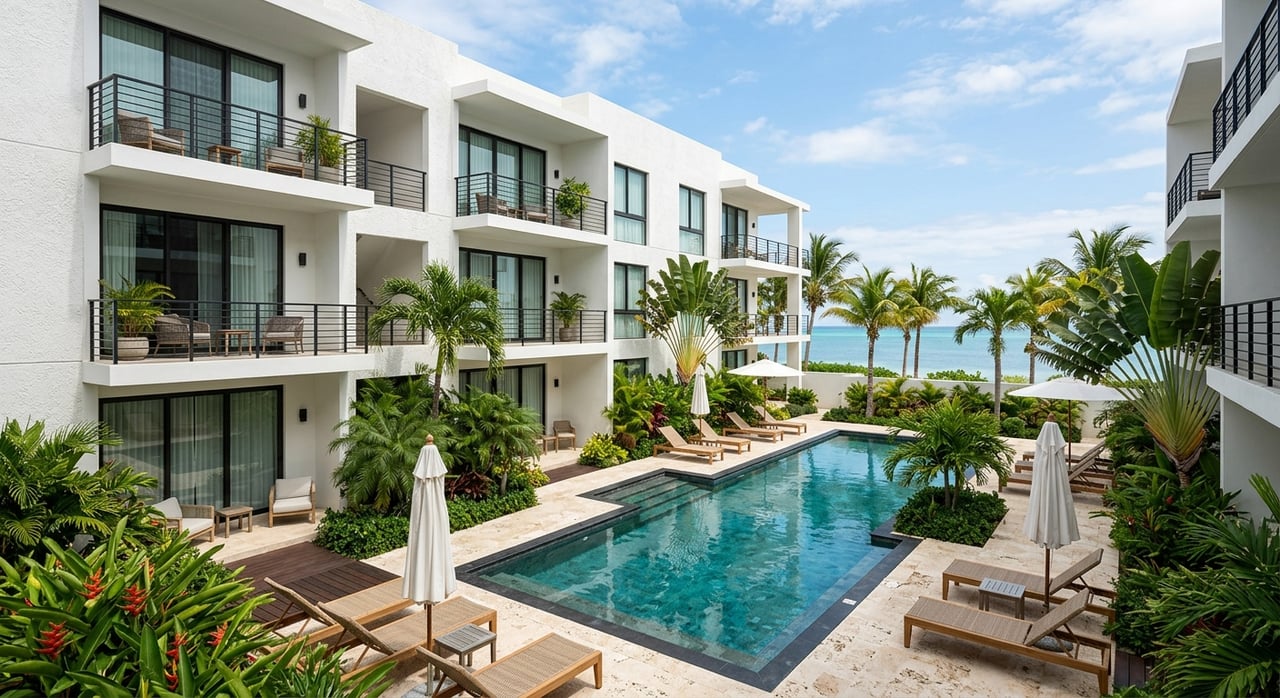
Examples from local condo-style communities help show the lifestyle. Secret Harbour highlights features such as a beach, pool, watersports, scuba, tennis, fitness center, dining, parking, and Wi-Fi. Anchorage Condos at Cowpet Bay highlights beach access, a beachside pool, fitness center, tennis courts, a gated entrance, and resident social gatherings.
That setup can feel more like a managed resort neighborhood than a traditional subdivision. If you want a home base that supports a lock-and-leave lifestyle, that can be a real advantage.
The convenience of shared amenities
Shared amenities can make everyday life easier and more enjoyable. Instead of maintaining your own pool, landscaping, or beach access path, you may be able to enjoy those features as part of the community.
This can be especially appealing if you are a seasonal resident or a buyer who does not want to spend time managing every exterior detail. It can also work well if you prefer a more turnkey property experience.
For some owners, these shared features also support a stronger sense of routine. You may have easy access to fitness space, tennis courts, or waterfront areas without needing to leave the property.
The tradeoffs of resort-style living
The same features that make condo life convenient can also limit flexibility. In many communities, access to amenities and shared spaces is controlled through gates, key fobs, guest procedures, or other security measures.
Some layouts also affect how you move through the property each day. Secret Harbour notes that some units are beachfront and close to amenities, while hillside units may require stairs and a private road.
That does not make condo living better or worse than owning a house. It simply means your daily routine may include more shared access rules and less complete independence.
How maintenance works in a condo
One of the clearest benefits of condo ownership is that much of the common-area maintenance is handled through the association. Under Virgin Islands condominium law, bylaws can govern maintenance and repair of common areas, collection of common expenses, staffing, operating rules, and restrictions on use and maintenance.
In practical terms, that can mean less personal responsibility for exterior upkeep than you would have with a detached home. Shared spaces, building systems, and community operations are typically managed at the association level.
There is an important flip side, though. Your experience depends in part on how well the association is run, how clearly responsibilities are defined, and how consistently maintenance is handled.
Why HOA culture matters
Condo ownership on St. Thomas is usually more communal and rule-based than owning a stand-alone house. The bylaws can shape how the board operates, how owners vote, how common expenses are collected, and what restrictions apply to the property.
That means you gain structure along with convenience. For some buyers, that structure feels helpful and predictable. For others, it can feel restrictive.
This is often the heart of the condo decision. If you want shared upkeep and organized management, condo living can be a strong fit. If you want a yard, maximum privacy, or full control over how your property is used and maintained, a house may suit you better.
What owners should know about HOA records
Transparency matters when you buy into a community. Virgin Islands condominium law requires associations to keep detailed records of receipts and expenditures, make those records available for owner review, and obtain an independent audit for larger associations.
That gives you a practical window into how the community is managed. Before you buy, it is worth reviewing available financial records and understanding how the association handles budgeting and expenses.
This step is especially important if you are buying from off-island or plan to use the condo as a second home. Clear records can help you feel more confident about the community’s operations.
Water systems are a real part of condo life
On St. Thomas, water is not something to treat as an afterthought. The Department of Planning and Natural Resources explains that a typical rainwater harvesting system in the territory uses an underground cistern with treatment.
Its guidance says cisterns should be sized to provide about three months of drinking water. It also points to design features like first-flush diverters, roof filters, gutter guards, and overflow controls as important parts of cleaner and safer water storage.
The same guidance recommends an emergency reserve of about 1 gallon per person per day, ideally for two weeks. It also recommends routine cistern cleaning and disinfection every 3 to 5 years or after extreme storm events.
For condo buyers, this means shared cisterns, pumps, filtration, and maintenance plans deserve careful review. Water storage and treatment are not just background systems here. They are part of everyday resilience.
Electricity can affect daily comfort
Electricity on St. Thomas has its own set of realities. WAPA says electric bills include a flat customer charge, plus an energy charge, fuel or LEAC charges, and several surcharges.
That means your utility costs may not be as simple as a single line item. It also means you should understand how the condo handles common-area power costs and any building systems that rely on electricity.
Current WAPA notices for 2026 also point to ongoing generation work, rotational outages, and water-service impacts in the St. Thomas and St. John district. For condo living, that makes backup power, pump systems, and outage planning worth asking about before you commit.
Daily questions to ask before buying
A condo on St. Thomas can be a great fit, but only if the community matches how you want to live. Before you move forward, focus on the practical details that will shape your day-to-day experience.
Here are a few smart questions to ask:
- What maintenance is handled by the association, and what stays your responsibility?
- How are common expenses calculated and collected?
- Can you review recent financial records and, if applicable, audit information?
- What is the building’s water setup, including cistern storage, filtration, pumps, and cleaning schedules?
- What happens during power interruptions or storm-related service issues?
- How do guest access, gates, parking, and amenity rules work in real life?
- Does the unit’s location within the community involve stairs, steep access, or a longer walk to key amenities?
These questions may not sound glamorous, but they often tell you more about future satisfaction than a pretty view alone.
Who condo living fits best
Condo living on St. Thomas can work especially well if you want beach access, shared amenities, and less exterior maintenance. It can also make sense if you travel often, live off-island part of the year, or prefer a more managed property setup.
Buyers who value simple ownership structure, convenient access, and a lock-and-leave lifestyle often see the appeal quickly. The combination of airport access, ferry connections, and amenity-rich communities can be a strong match for that goal.
On the other hand, condo living may be a weaker fit if you want more privacy, fewer rules, and total control over the property. In that case, the tradeoffs may outweigh the convenience.
The bottom line on St. Thomas condos
Condo living on St. Thomas can offer a beautiful, practical way to enjoy island life. You may gain shared amenities, easier exterior maintenance, and a setup that works well for seasonal use or frequent travel.
At the same time, you are buying into shared systems, shared decisions, and local infrastructure realities that deserve close attention. Water storage, power planning, access rules, and association management all play a role in how daily life feels.
If you approach the decision with clear eyes and strong local guidance, you can find a condo that fits both your lifestyle and your comfort level with the tradeoffs. If you want help comparing condo communities, reviewing ownership considerations, or exploring island properties that match how you plan to live, connect with S & S International.
FAQs
What is daily condo living like on St. Thomas?
- Daily condo living on St. Thomas often blends island convenience with shared-community structure, which can include beach access, pools, fitness spaces, security measures, and community rules.
What are the main tradeoffs of buying a condo on St. Thomas?
- The main tradeoffs usually involve less exterior maintenance and more amenities in exchange for HOA rules, shared systems, common expenses, and less total independence than a detached home.
How does condo maintenance work in the U.S. Virgin Islands?
- Under Virgin Islands condominium law, associations typically handle common-area maintenance, repair, and many shared operational responsibilities, while owners still need to understand what remains their responsibility inside the unit.
Why should St. Thomas condo buyers ask about water systems?
- Many properties in the USVI rely on cistern-based rainwater systems with treatment, so storage capacity, filtration, pump systems, and cleaning schedules are important parts of condo due diligence.
Why should St. Thomas condo buyers ask about power outages?
- WAPA notices show that ongoing generation work and outages can affect daily life, so it is smart to ask how a condo community handles backup power, water pumps, and outage response.
Are condo HOA records available to owners in the Virgin Islands?
- Virgin Islands law requires associations to keep detailed receipts and expenditure records, make records available for owner review, and provide an independent audit for larger associations.